
en
Livros
Leia em nossos aplicativos:
iOS
·Android
Felicity Paulman
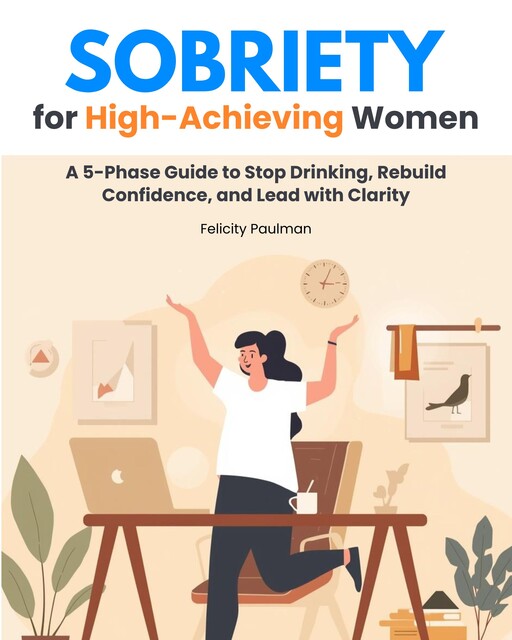
Sobriety for High-Achieving Women
Impressão
Adicionar à estante
Já lido
Relatar um erro no livro
Compartilhar
Facebook
Twitter
Copiar link
Many accomplished women carry invisible tension beneath their achievements. The outer appearance of balance and productivity hides an inner exhaustion that builds quietly over years of pressure, deadlines, and high expectations. In this environment, alcohol often becomes a tool for release. It promises a moment of calm after a demanding day, a pause from constant responsibility, or a brief sense of ease before another morning of decisions.
For many, drinking begins as a socially acceptable coping mechanism. Over time, it grows into a private dependency that conflicts with the very image of control and discipline they have built. The same focus and determination that lead to professional success can make self-assessment difficult. It feels safer to continue performing at a high level than to admit something might be off-balance.
Sobriety offers a different type of strength. It provides clarity, stability, and a chance to align outer success with inner well-being. For high-achieving women, this process often begins with redefining what accomplishment means. It shifts attention from external performance to internal steadiness, from self-criticism to self-command.
High achievers value precision and responsibility. They manage complex lives, make constant decisions, and lead others with confidence. Yet, alcohol use often remains unexamined because it blends into their lifestyle. A glass of wine after a long day appears harmless and even deserved. Over time, this habit can evolve into a quiet dependency that goes unnoticed until control feels uncertain.
True control involves awareness. It develops from conscious decision-making rather than avoidance. Recognizing when alcohol begins to interfere with energy, mood, or focus marks the first step toward restoring that awareness. This realization does not erase strength—it redirects it toward self-leadership.
This guide presents sobriety as a deliberate, empowered choice. It frames the journey as a structured process built around five phases:
Awareness and Acceptance — Understanding triggers and emotional patterns.
Designing a New Success Identity — Separating worth from performance and achievement.
Building Emotional Resilience — Developing effective coping strategies for stress and perfectionism.
Strengthening Professional Presence — Maintaining composure and confidence without alcohol.
Sustaining and Celebrating Progress — Tracking growth and building a long-term plan for balance.
Each phase combines behavioral research, neuroscience, and practical tools designed for women accustomed to high performance. Sobriety becomes a framework for self-respect and emotional alignment rather than a rejection of the past.
For many, drinking begins as a socially acceptable coping mechanism. Over time, it grows into a private dependency that conflicts with the very image of control and discipline they have built. The same focus and determination that lead to professional success can make self-assessment difficult. It feels safer to continue performing at a high level than to admit something might be off-balance.
Sobriety offers a different type of strength. It provides clarity, stability, and a chance to align outer success with inner well-being. For high-achieving women, this process often begins with redefining what accomplishment means. It shifts attention from external performance to internal steadiness, from self-criticism to self-command.
High achievers value precision and responsibility. They manage complex lives, make constant decisions, and lead others with confidence. Yet, alcohol use often remains unexamined because it blends into their lifestyle. A glass of wine after a long day appears harmless and even deserved. Over time, this habit can evolve into a quiet dependency that goes unnoticed until control feels uncertain.
True control involves awareness. It develops from conscious decision-making rather than avoidance. Recognizing when alcohol begins to interfere with energy, mood, or focus marks the first step toward restoring that awareness. This realization does not erase strength—it redirects it toward self-leadership.
This guide presents sobriety as a deliberate, empowered choice. It frames the journey as a structured process built around five phases:
Awareness and Acceptance — Understanding triggers and emotional patterns.
Designing a New Success Identity — Separating worth from performance and achievement.
Building Emotional Resilience — Developing effective coping strategies for stress and perfectionism.
Strengthening Professional Presence — Maintaining composure and confidence without alcohol.
Sustaining and Celebrating Progress — Tracking growth and building a long-term plan for balance.
Each phase combines behavioral research, neuroscience, and practical tools designed for women accustomed to high performance. Sobriety becomes a framework for self-respect and emotional alignment rather than a rejection of the past.
Women's HealthSelf-HelpMotivational & InspirationalSubstance Abuse & AddictionsAlcoholHealth & Fitness
58 páginas impressas
- Publicação original
- 2025
- Ano da publicação
- 2025
- Editora
- mindplusfood




Já leu? O que achou?
👍👎
fb2epub
Arraste e solte seus arquivos
(não mais do que 5 por vez)