
en
Том Стоппард
ru
- 2
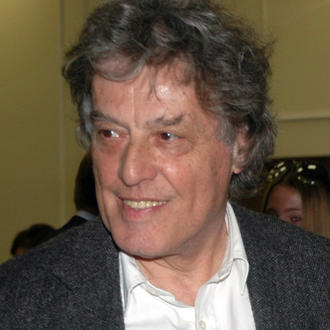
Sir Tom Stoppard was a British playwright and screenwriter known for witty dialogue and intellectual drama. He became closely associated with the Royal National Theatre and was widely known for his performance in Rosencrantz and Guildenstern Are Dead (1967). He later won an Academy Award for his screenplay for Shakespeare in Love (1998).
He was born Tomáš Sträussler in Zlín, Moravia, in 1937. His family left Czechoslovakia for Singapore in 1939. During the Japanese invasion of 1942, he travelled with his mother and brother to India, while his father stayed behind and was later killed at sea. Stoppard went to school in Darjeeling before moving to England in 1946 following his mother’s marriage to Kenneth Stoppard. He later said that, as a child in England, “English was my only language. Suddenly, I was an English schoolboy.” He attended the Dolphin School and Pocklington School, an education that he described as applicable but not always happy.
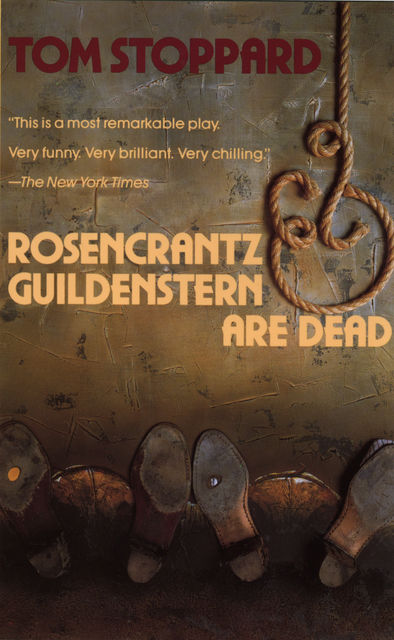
He left school at 17 and worked as a journalist in Bristol. Stoppard reviewed theatre, submitted scripts to BBC Radio and began writing plays. He later said, “I never had the moral character to pan a friend.” In 1966, his novel Lord Malquist and Mr Moon was published, containing ideas that would recur in his later drama. Rosencrantz and Guildenstern Are Dead opened in London in 1967, bringing him immediate fame. He described writing plays as the only respectable way of contradicting oneself.
Stoppard followed with Jumpers (1972) and Travesties (1974), establishing his reputation for energetic, argumentative theatre. A significant phase in his work came with The Real Thing (1982), in which he expanded the emotional content of his drama. He did so after encouragement to bring relationships “out of the fridge.” Works such as Arcadia (1993) and The Invention of Love (1997) showed a balance of research, comic language and personal feeling.
He wrote politically engaged works such as Every Good Boy Deserves Favour (1977) and the television drama Professional Foul (1977). Visits to Eastern Europe shaped his commitment to human rights, as did his support for Charter 77. He described himself as a conservative with a small “c”, wary of regimes that suppressed liberty.
Stoppard also worked widely in cinema. He wrote or co-wrote screenplays including Brazil (1985), Empire of the Sun (1987) and Shakespeare in Love (1998), winning an Oscar for the latter film. His later works included The Coast of Utopia (2002) and Leopoldstadt (2020), the latter addressing his Jewish heritage, which he discovered in full only in adulthood.
Stoppard was appointed CBE in 1978, knighted in 1997, and made a member of the Order of Merit in 2000.
Tom Stoppard died in 2025 at the age of 88.
He was born Tomáš Sträussler in Zlín, Moravia, in 1937. His family left Czechoslovakia for Singapore in 1939. During the Japanese invasion of 1942, he travelled with his mother and brother to India, while his father stayed behind and was later killed at sea. Stoppard went to school in Darjeeling before moving to England in 1946 following his mother’s marriage to Kenneth Stoppard. He later said that, as a child in England, “English was my only language. Suddenly, I was an English schoolboy.” He attended the Dolphin School and Pocklington School, an education that he described as applicable but not always happy.
He left school at 17 and worked as a journalist in Bristol. Stoppard reviewed theatre, submitted scripts to BBC Radio and began writing plays. He later said, “I never had the moral character to pan a friend.” In 1966, his novel Lord Malquist and Mr Moon was published, containing ideas that would recur in his later drama. Rosencrantz and Guildenstern Are Dead opened in London in 1967, bringing him immediate fame. He described writing plays as the only respectable way of contradicting oneself.
Stoppard followed with Jumpers (1972) and Travesties (1974), establishing his reputation for energetic, argumentative theatre. A significant phase in his work came with The Real Thing (1982), in which he expanded the emotional content of his drama. He did so after encouragement to bring relationships “out of the fridge.” Works such as Arcadia (1993) and The Invention of Love (1997) showed a balance of research, comic language and personal feeling.
He wrote politically engaged works such as Every Good Boy Deserves Favour (1977) and the television drama Professional Foul (1977). Visits to Eastern Europe shaped his commitment to human rights, as did his support for Charter 77. He described himself as a conservative with a small “c”, wary of regimes that suppressed liberty.
Stoppard also worked widely in cinema. He wrote or co-wrote screenplays including Brazil (1985), Empire of the Sun (1987) and Shakespeare in Love (1998), winning an Oscar for the latter film. His later works included The Coast of Utopia (2002) and Leopoldstadt (2020), the latter addressing his Jewish heritage, which he discovered in full only in adulthood.
Stoppard was appointed CBE in 1978, knighted in 1997, and made a member of the Order of Merit in 2000.
Tom Stoppard died in 2025 at the age of 88.
years of life: 3 julho 1937 – 29 novembro 2025
Livros
- indisponível
- indisponível
- indisponível
fb2epub
Arraste e solte seus arquivos
(não mais do que 5 por vez)